The anticipated biographical film Michael brings the legendary story of Michael Jackson to the big screen in April 2026, marking a significant moment for music cinema. Directed by acclaimed filmmaker Antoine Fuqua and starring Jackson's own nephew Jaafar Jackson in his feature film debut, this $155 million production promises to deliver an intimate exploration of the King of Pop's extraordinary life, from his humble beginnings in Gary, Indiana, to his rise as the world's most influential entertainer. The film presents Jackson's journey beyond the stadium lights, exploring both his creative genius and personal struggles while maintaining focus on his undeniable impact on music and culture.
The Vision Behind the Film
Antoine Fuqua brings his considerable filmmaking expertise to this massive biographical project. Known for his work on powerful dramas like Training Day and Emancipation, Fuqua takes his first major step into the music biopic genre with Michael. The director has established himself as a filmmaker capable of capturing complex human stories with nuance and emotional depth, qualities essential for telling Jackson's multifaceted life story.
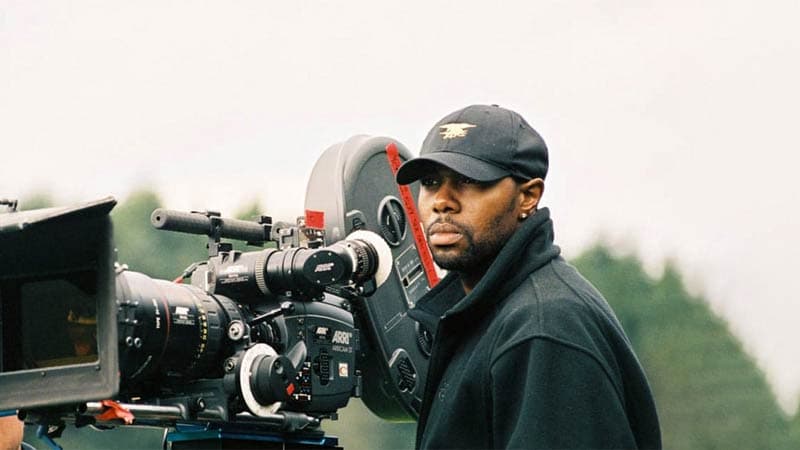
The screenplay comes from John Logan, an accomplished screenwriter with an impressive resume spanning prestigious productions. Logan has crafted narratives for landmark films including Gladiator, The Aviator, and the James Bond franchise entries Skyfall and Spectre. His appointment to write Michael's script signals the production's commitment to creating a thoughtful, well-developed portrayal of Jackson's life that transcends typical biopic conventions.
Producer Graham King, whose company GK Films has been behind Oscar-winning successes such as Bohemian Rhapsody, The Departed, and Argo, shepherds the project with proven expertise in translating complex musical legacies to screen. King spent years researching Jackson's life, career, and creative process before settling on the final script. This extensive preparation reflects the filmmakers' intention to present Jackson with the same artistic rigor and respect afforded to other major biographical films.
The Leading Man: Jaafar Jackson Steps into History
Perhaps the most compelling aspect of Michael is the casting of Jaafar Jackson, Michael's nephew, in the title role. At 29 years old, Jaafar makes his feature film debut in the lead role, bringing a unique perspective to the character given his family connection. As the second son of Jermaine Jackson, Michael's older brother, Jaafar possesses an intimate understanding of the Jackson legacy that extends far beyond typical actor research.

The first teaser trailer, released in November 2025, introduced audiences to Jaafar's portrayal for the first time, showcasing his striking physical resemblance to his uncle and revealing his vocal interpretation of Jackson's distinctive high-pitched voice and iconic vocalizations. In the teaser, scenes show Jaafar in the recording studio with Quincy Jones, capturing the creative tension and artistic collaboration that defined some of Jackson's most celebrated work.
Jaafar's casting generated significant discussion within the entertainment industry. Katherine Jackson, Michael's mother, expressed her approval of the decision, stating that Jaafar embodies her son's spirit. Industry observers noted that while an extensive worldwide search took place for the role, Jaafar's organic embodiment of Michael's personality ultimately made him the clear choice. This casting decision carries symbolic weight, suggesting that the film intends to tell Jackson's story with the family's blessing and participation.
A Powerhouse Supporting Cast
The ensemble supporting cast of Michael reads like a roster of accomplished actors known for bringing depth to significant roles. Colman Domingo, a two-time Oscar nominee and critically acclaimed performer, takes on the role of Joe Jackson, Michael's demanding father whose influence shaped the young performer's life. Domingo brings considerable dramatic weight to the complex relationship between father and son, known to be both nurturing and challenging in equal measure.
Nia Long, the accomplished actress known for her television work in major productions, portrays Katherine Jackson, Michael's mother. Her presence in the film adds another layer of family dynamics, as Katherine served as a stabilizing emotional anchor throughout Michael's turbulent life journey. Miles Teller, celebrated for his work in Top Gun: Maverick and other major productions, plays John Branca, the entertainment attorney and business advisor who guided Jackson through critical career moments.


Additional casting includes Laura Harrier as Suzanne de Passe, the trailblazing music executive who played a crucial role in Jackson's career development. Kat Graham appears as Diana Ross, the legendary Supremes member whose mentorship influenced Jackson's artistic evolution. Other notable cast members include Kendrick Sampson as the legendary producer Quincy Jones, Larenz Tate as Berry Gordy of Motown Records, and Derek Luke as attorney Johnnie Cochran. Juvenile actor Juliano Krue Valdi plays young Michael, offering viewers continuity in witnessing Jackson's transformation across different life stages.
From Development to Production: A Complex Journey
Michael has experienced a notably complicated path from concept to screen. Development began in November 2019 when producer Graham King secured the rights to Jackson's life story. The project underwent years of pre-production work, with John Logan working on various script iterations to capture Jackson's extraordinary narrative. Lionsgate officially announced the film in February 2022, signaling major studio backing for the ambitious project.
The production faced significant delays, partly due to the 2023 SAG-AFTRA strike that halted industry work. Principal photography ultimately commenced in January 2024, after these labor disputes concluded. The shoot wrapped in May 2024, marking the completion of the primary filming phase. However, additional photography and extensive post-production work continued well into 2025, including reshoots during June 2025.
The production's considerable budget of $155 million reflects the film's scope and ambition. For perspective, this places Michael among the most expensive music biopics ever produced. The significant financial investment underscores Lionsgate's confidence in the project's potential to resonate with both general audiences and Jackson enthusiasts worldwide.
Navigating Sensitive Territory: The Film's Content Approach
Michael's screenplay addresses complex aspects of Jackson's legacy, including allegations that marked his life. The film takes a deliberate approach to these sensitive issues, aiming to present Jackson's story comprehensively while respecting different perspectives on his life. Producer Graham King stated his intention to humanize Jackson without sanitizing his narrative, seeking to present a compelling and honest portrayal that allows audiences to form their own conclusions.
The film's approach to controversial elements sparked discussion during production. Early reports indicated that the script would address allegations, with some speculation that certain details might be excluded or modified. Lionsgate clarified that the film remains on track with its intended content, designed to present Jackson's life with nuance and complexity. The production underwent reshoots during 2025, with filmmakers refining how certain narrative elements are presented to achieve the most effective storytelling.
This careful approach reflects the contemporary filmmaking landscape, where biographical projects increasingly attempt to acknowledge historical complexity rather than present purely hagiographic or purely critical accounts. The filmmakers have indicated their commitment to presenting Michael Jackson as a multidimensional figure whose artistic genius and personal struggles coexist within a single narrative.
The Story Arc: From Jackson 5 to king of Pop
Michael traces Jackson's life journey from his earliest days performing with his brothers as the youngest Jackson 5 member through his establishment as a solo artist defining popular music. The film documents the transformation from child performer to visionary artist, capturing key moments that shaped his identity and career trajectory.
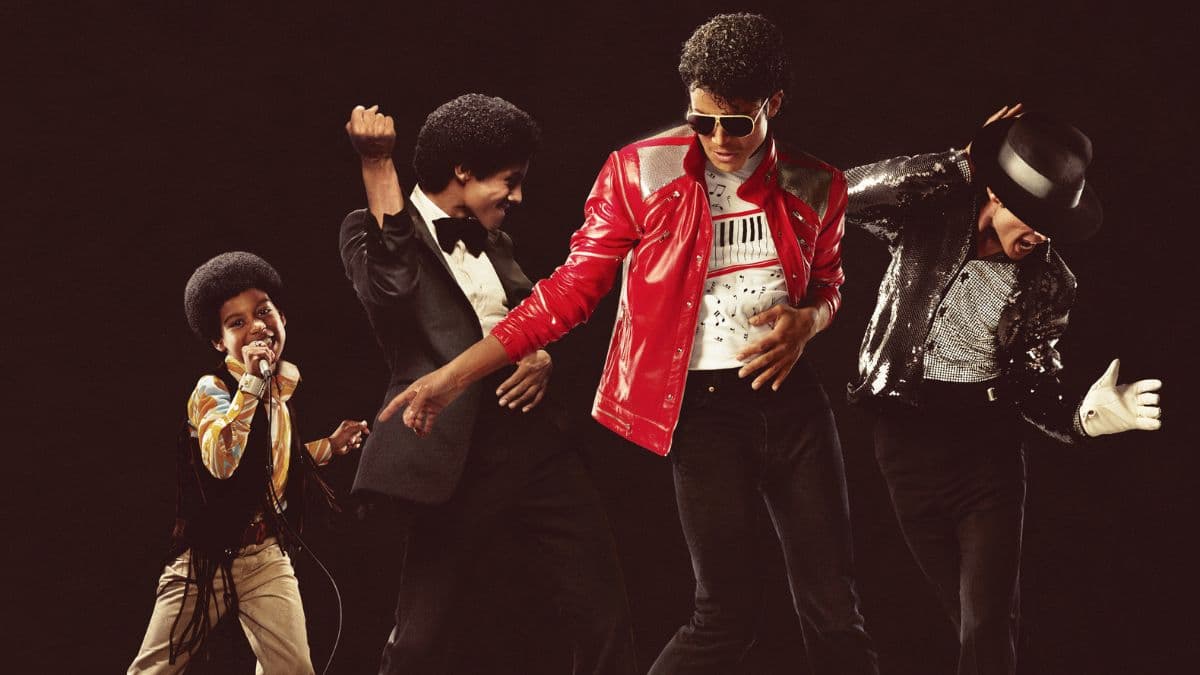
The narrative encompasses Jackson's working relationships with major figures who influenced his artistic development. Quincy Jones features prominently, as the legendary producer guided Jackson through the creation of some of popular music's most significant albums, including Off the Wall, Thriller, and Bad. These collaborations represent pivotal moments where Jackson's artistic vision met technical mastery and commercial ambition.
Early scenes showcase Jackson's childhood performances with the Jackson 5, the family group that launched the entertainment careers of multiple siblings under the guidance of their father Joe Jackson. The film documents the group's Motown Records years and their evolution after leaving the label for CBS Records. This period represents crucial years in Michael's artistic development, as he transitioned from performing established hits to co-writing and arranging original compositions.
The film's scope extends to Jackson's iconic performances and groundbreaking music videos that revolutionized the format. Scenes recreate his most celebrated moments, from the Thriller video directed by John Landis to live performances that demonstrated his unparalleled dancing abilities. These sequences allow contemporary audiences to experience the visual and kinetic artistry that made Jackson a cultural phenomenon beyond his musical output.
Release Timeline and Distribution Strategy
Originally scheduled for October 3, 2025, Michael experienced multiple postponements as producers refined the final cut and undertook reshoots to achieve their artistic vision. The new release date of April 24, 2026, provides nearly five more months of production time while positioning the film strategically within the annual release calendar.

The April 2026 release date places Michael in a crowded marketplace of awards season contenders. This timing suggests the filmmakers anticipate awards consideration, as April releases often enter the consideration window for various film awards ceremonies. The decision to delay reflects the production's determination to deliver a complete, polished final product rather than rush to meet an original deadline.
Lionsgate handles distribution in the United States, while Universal Pictures manages international territories except Japan. This dual distribution approach ensures maximum theatrical reach across global markets where Jackson's legacy maintains significant cultural resonance. The film will benefit from the combined resources of two major studios committed to broad theatrical exhibition.
Common Misconceptions About Music Biopics and Jackson's Legacy
Many viewers approach music biopics with certain preconceived notions that deserve examination. A common misconception suggests that such films simply string together famous songs and performances without developing meaningful character arcs. In reality, accomplished music biopics function as complex dramas that use musical elements to illuminate character development, relationship dynamics, and historical context.
Another frequent misunderstanding assumes that music biopics necessarily simplify complicated historical figures into either heroes or villains. Contemporary biographical filmmaking recognizes that significant cultural figures often contain contradictions within their character and legacy. This film's approach attempts to honor that complexity, presenting Jackson as a multidimensional person whose contributions to music and culture coexist with personal complications and controversies.

Some audiences mistakenly believe that musical biopics require minimal acting ability beyond superficial impression work. In reality, performing as a legendary figure demands considerable acting skill, particularly when audiences possess detailed memories of the actual person. Jaafar Jackson's task involves more than capturing vocal mannerisms or dance moves; he must convey Jackson's emotional interior, his creative drive, and his complex internal life across multiple decades and life stages.
What Makes Michael's Story Cinematic
Michael Jackson's life possesses inherent cinematic qualities that translate to compelling film narrative. His extraordinary talent emerged at an age when most children attend school, creating a unique coming-of-age story complicated by global fame. His relationships with major cultural figures like Quincy Jones, Diana Ross, and his own family members involve genuine human drama alongside professional collaboration.
Jackson's creative evolution across decades offers narrative momentum as viewers witness his transformation from child performer to innovative artist pushing musical boundaries. His role in revolutionizing music videos created a new visual language within popular music, a contribution that can be cinematically portrayed through recreation of iconic footage and original scenes depicting his creative process.
The psychological dimensions of Jackson's life provide dramatic material. His complex relationship with his father Joe Jackson, his struggle with childhood celebrity, his pursuit of artistic perfection, and his navigation of racial politics within the entertainment industry all constitute substantial dramatic themes worthy of serious cinematic exploration.
Conclusion

Michael Jackson's biopic represents a significant moment in music cinema, bringing together acclaimed filmmakers, a powerhouse cast, and unprecedented access to Jackson's family and legacy. The film's April 2026 release offers audiences a fresh perspective on one of history's most influential entertainers, presented through the lens of serious dramatic filmmaking rather than documentary footage or concert recording.
The production's journey from development to screen reflects the complexity of telling a major cultural figure's story with nuance and respect. Jaafar Jackson's casting brings family authenticity to the role, while the supporting cast provides the dramatic weight necessary for exploring Jackson's relationships and personal struggles alongside his professional achievements.
For cinema audiences, Michael represents an opportunity to experience a reimagined perspective on a life that defined popular culture across multiple generations. As viewers prepare for the film's arrival in theaters, anticipation continues to build around how the filmmakers will balance Jackson's undeniable artistic genius with the full complexity of his historical legacy.