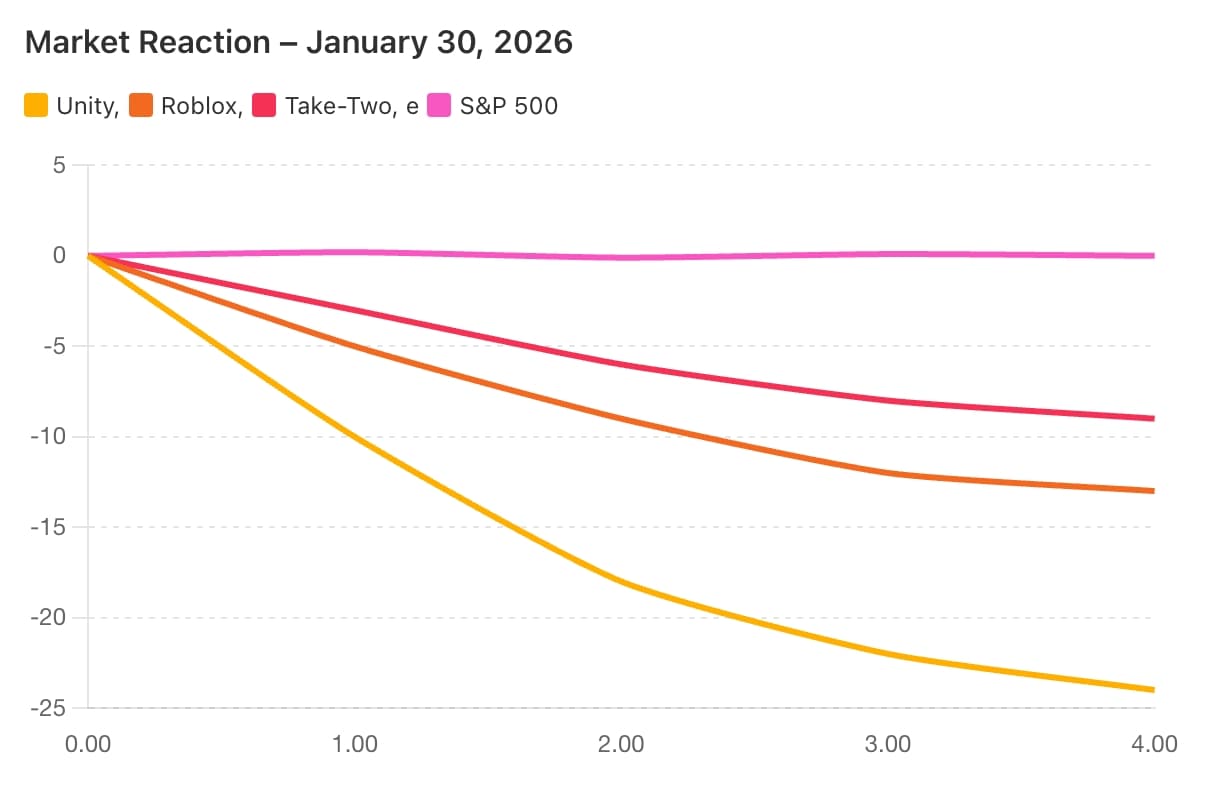
Wall Street's trading floor turned chaotic on January 30, 2026, as the gaming sector hemorrhaged $15 billion in market value within 24 hours. Unity Software shares cratered 24%—its worst single-day drop since 2022—closing at a multi-year low. Roblox followed with a 13% plunge, while Take-Two Interactive and CD Projekt shed 8-9% each. This wasn't a routine correction tied to earnings misses or economic data. It was raw, existential fear triggered by Google's Project Genie rollout, powered by its Genie 3 AI model. Investors didn't see a product launch; they saw the potential obsolescence of an entire industry infrastructure.
The Technology: Genie 3's Leap from Prompt to Playable World
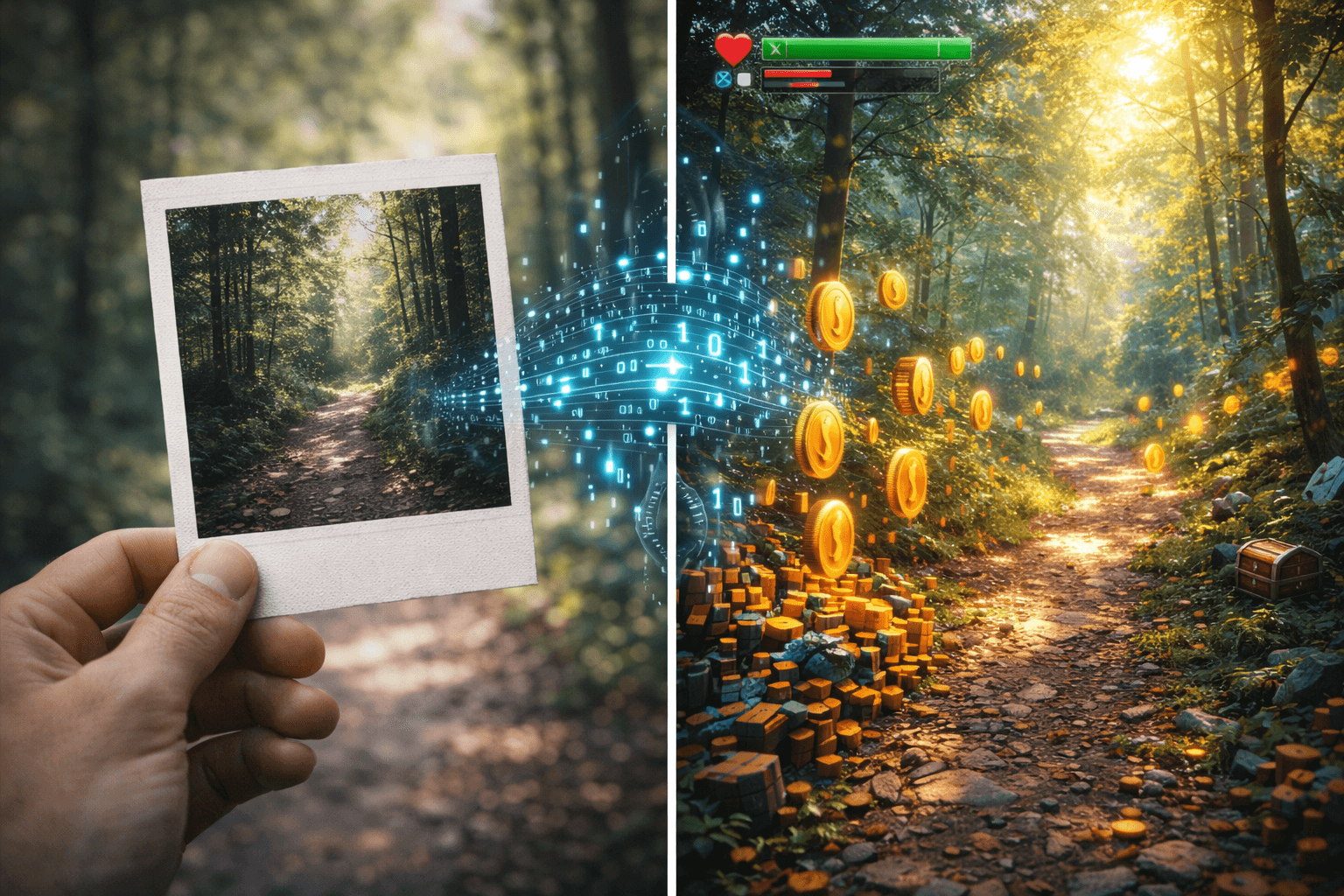
Google DeepMind's Genie 3 isn't just another generative AI. It's a "world model"—a system that simulates physical environments with real-time interactivity, physics, and memory. Announced in August 2025 but rolled out to Google AI Ultra subscribers on January 30, 2026, Genie 3 transforms a simple text prompt or uploaded photo into a fully navigable 3D world at 720p resolution and 24 frames per second. Unlike static images or short clips, it generates the environment dynamically as you move, remembers object positions (like wall paint or furniture) even if you look away, and supports interactions like changing weather or adding characters.
Imagine uploading a vacation photo of a beach. Within seconds, Genie 3 creates a playable sandbox: walk along the shore, kick up sand (with realistic physics), summon waves, or spawn NPCs. No coding, no 3D modeling, no asset imports. DeepMind's blog emphasizes its "unprecedented diversity of interactive environments," trained on vast datasets to mimic gravity, lighting, collisions, and causality. Early demos show users exploring for minutes, remixing worlds mid-session—far beyond Genie 2's 10-20 second limits.
This democratizes creation. Traditional game development demands years mastering tools like Unity's C# scripting or Blender's modeling. Genie 3 collapses that to seconds, targeting hobbyists, educators, and rapid prototypers. Google positions it as a stepping stone to AGI, useful for robotics training via simulated worlds, but gaming is the immediate flashpoint.
The Engines' Demise: Why Unity and Roblox Are Bleeding Billions
Unity and Roblox embody the middleware empire now under siege. Unity powers 70% of mobile games and half of top console titles, charging royalties on successful releases. Roblox, with 80 million daily users, thrives on user-generated content via its proprietary engine. Both rely on creators needing specialized skills and tools—exactly what Genie 3 bypasses.
The market's reaction was visceral. Unity's 24% drop erased $5 billion in value alone; Roblox lost $3 billion. Analysts called it "AI disruption fear," with traders dumping shares on whispers of "no-code game engines." Why pay Unity's 2.5% royalty or learn Roblox Studio when an AI spits out playable worlds instantly? Investors envision a future where indie devs prototype in Genie, sidelining paid tools. One trader quipped on Bloomberg terminals: "Get me out—AI just ate game dev."
The math is brutal. AAA titles like GTA cost $200-500 million and 5-7 years. Genie 3 slashes prototyping to hours, potentially compressing cycles. A Google survey notes 90% of devs already use AI; Genie accelerates that to existential levels. Roblox, built on teen creators learning its ecosystem, faces "prompt kids" flooding platforms with AI slop, diluting value. Unity's runtime fees? Obsolete if games bootstrap from AI. This "medo existencial" wiped $15 billion as funds rotated to AI winners like Alphabet, up 2% that day.
| Tool | Time to Prototype | Initial Cost | Required Skills |
|---|---|---|---|
| Unity | Weeks–Months | $10k+ | High |
| Roblox | Weeks | Free | Medium |
| Genie 3 | Seconds | Free | None |
The Counterpoint: Hype vs. Hard Reality of Game Design
Panic sells headlines, but let's dissect the overreaction. Genie 3 excels at environments—beaches, cities, forests—but games aren't scenery. They're narratives, mechanics, progression, balance. Rockstar's GTA 6 isn't a static map; it's emergent chaos from finely tuned systems: driving physics, AI behaviors, economy loops, multiplayer sync. Genie generates "dynamic worlds," but demos show basic navigation, not deep gameplay. Physics mimic reality, yet fun defies it (think Fortnite's building or Mario's jumps).
Limitations abound. Genie runs at 720p/24fps—playable for prototypes, inadequate for shipping titles. Multi-minute consistency falters in complex scenes; no multiplayer, no persistent saves, no optimization for consoles/mobile. DeepMind admits it's research-grade, not production-ready. Voice actors struck in 2024 over AI voices; similar issues loom for worlds trained on scraped assets, risking IP lawsuits.
Rockstar won't obsolete overnight. GTA's genius is human curation: satirical stories, cultural satire, balanced chaos. AI excels at quantity, not quality. Roblox thrived on community polish; AI floods risk spam, needing moderation engines like Roblox's. Unity integrates AI already (Muse for assets); expect Genie plugins, not replacement. History tempers hype: No-code tools like Roblox Studio democratized without killing Unity. The $190 billion gaming market grows via accessibility, not cannibalization.
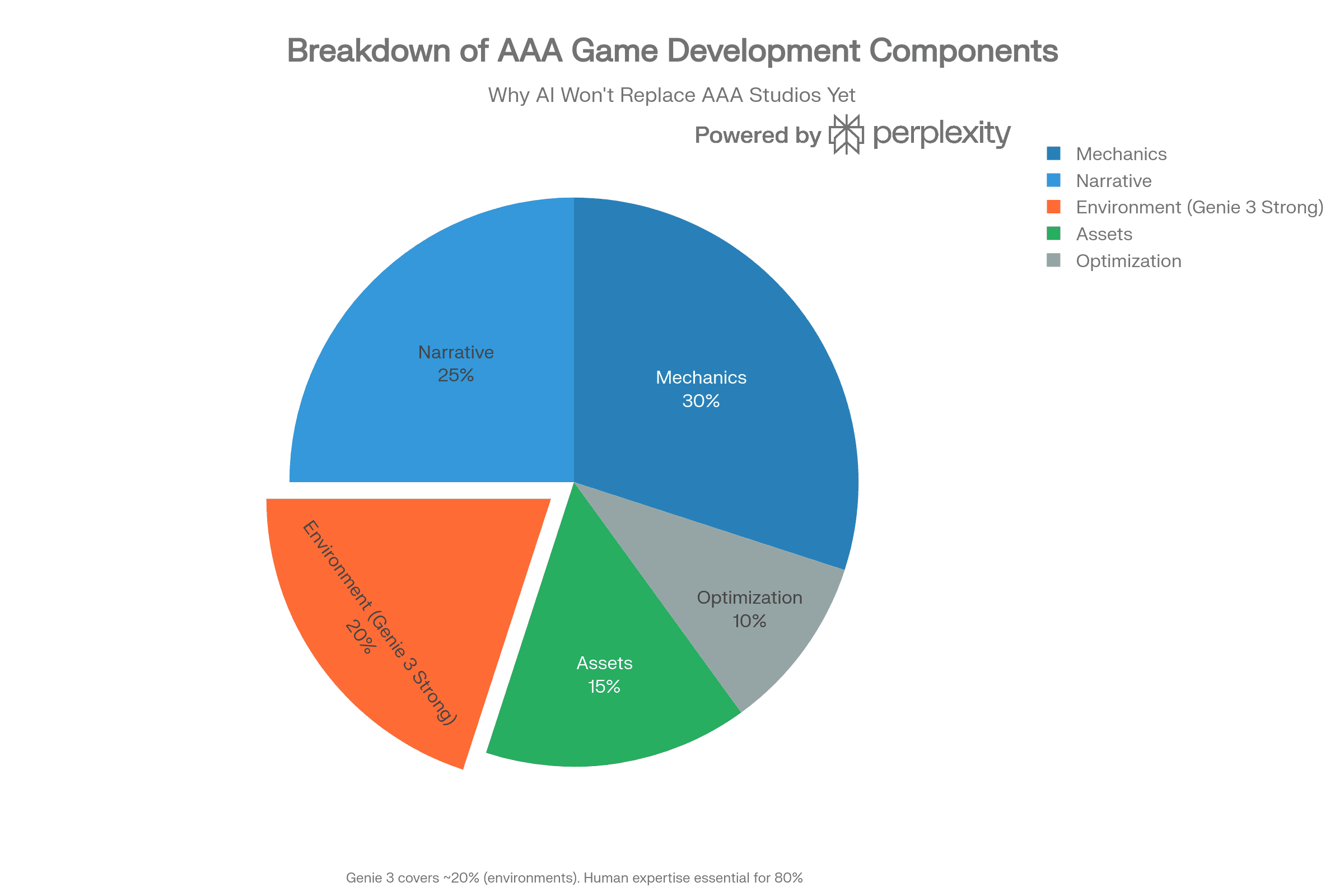
Genie complements, accelerates prototyping. Devs use it for mood boards, then refine in Unity. Roblox could embed it for UGC. Bloomberg notes software selloffs as "oversold bounces" opportunities. Long-term, AI lowers barriers, expanding the pie—more creators, more players, sustained engine demand for polish.
Dawn of the "YouTube of Games" or Industry Apocalypse?
Genie 3 heralds the "YouTube of games": infinite user-generated worlds, where anyone uploads a photo-prompt and shares playable sandboxes. Platforms like Roblox evolve into AI marketplaces, monetizing via premium prompts or curation. But apocalypse? Unlikely. Gaming's $277 billion scale ($512B by 2034) absorbs disruption; AI agents (90% adoption) augment, not replace.
The real shift: power to creators, pressure on middleware pricing. Unity must innovate (zero-fee tiers?); Roblox, AI safeguards. Investors overreacted—buy the dip? History favors adaptation. As DeepMind eyes AGI via worlds, gaming becomes the proving ground. Exciting times, but measured bets.
FAQs
What exactly is Google Genie 3?
Genie 3 is a DeepMind AI "world model" that generates interactive 3D environments from text or images in real-time (720p, 24fps). It simulates physics, remembers details, and allows exploration for minutes—ideal for prototypes, not full games yet.
Why did Unity and Roblox stocks crash so hard?
Fear of obsolescence: Genie bypasses traditional engines for world-building, threatening Unity's tools and Roblox's UGC ecosystem. Unity fell 24%, Roblox 13% on Jan 30, 2026, amid $15B sector wipeout.
Will AI like Genie 3 kill big studios like Rockstar?
No. AAA games need human-crafted narratives, balanced mechanics, and polish Genie can't match yet. It aids prototyping; expect integration, not replacement.
Is this stock dip a buying opportunity?
Possibly. Selloffs like this often overshoot (e.g., metaverse hype). Unity/Roblox have moats in optimization/multiplayer; AI boosts their TAM long-term.
When will Genie 3 be available to everyone?
Currently for Google AI Ultra subscribers (US). Full public/research access expected 2026; production tools may integrate via APIs.