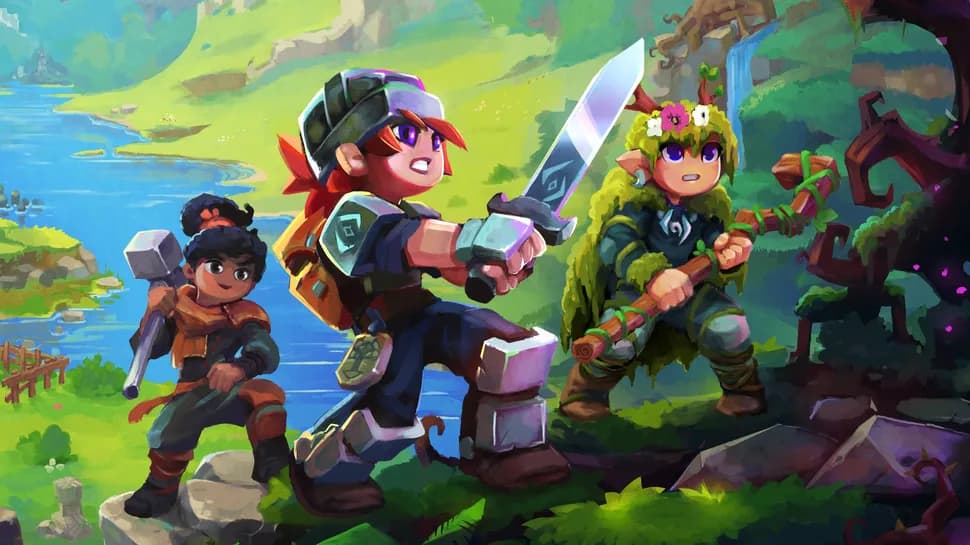
After an extraordinary saga of development challenges, corporate acquisition complications, and an unexpected resurgence, Hytale is finally poised to enter the gaming landscape with its early access launch scheduled for January 13, 2026. What began as an ambitious independent project from the creators of one of Minecraft's most successful servers has transformed into a symbol of perseverance in the video game industry. The game's journey reflects broader challenges in game development, the pressures of managing player expectations, and how passion can sometimes triumph over corporate constraints.
The Origins: From Hypixel Minecraft Server to Standalone Game
Understanding Hytale requires first understanding Hypixel, the legendary Minecraft server that inadvertently became the launchpad for an entirely new title. In April 2013, Simon Collins-Laflamme and Philippe Touchette accidentally created what would become Minecraft's most popular independent server. These two adventure map creators initially built the server simply to showcase their custom maps to players. While waiting for enough participants to begin adventures, players filled time with small minigames. These casual diversions became unexpectedly popular, capturing the community's imagination in ways the creators had not anticipated.
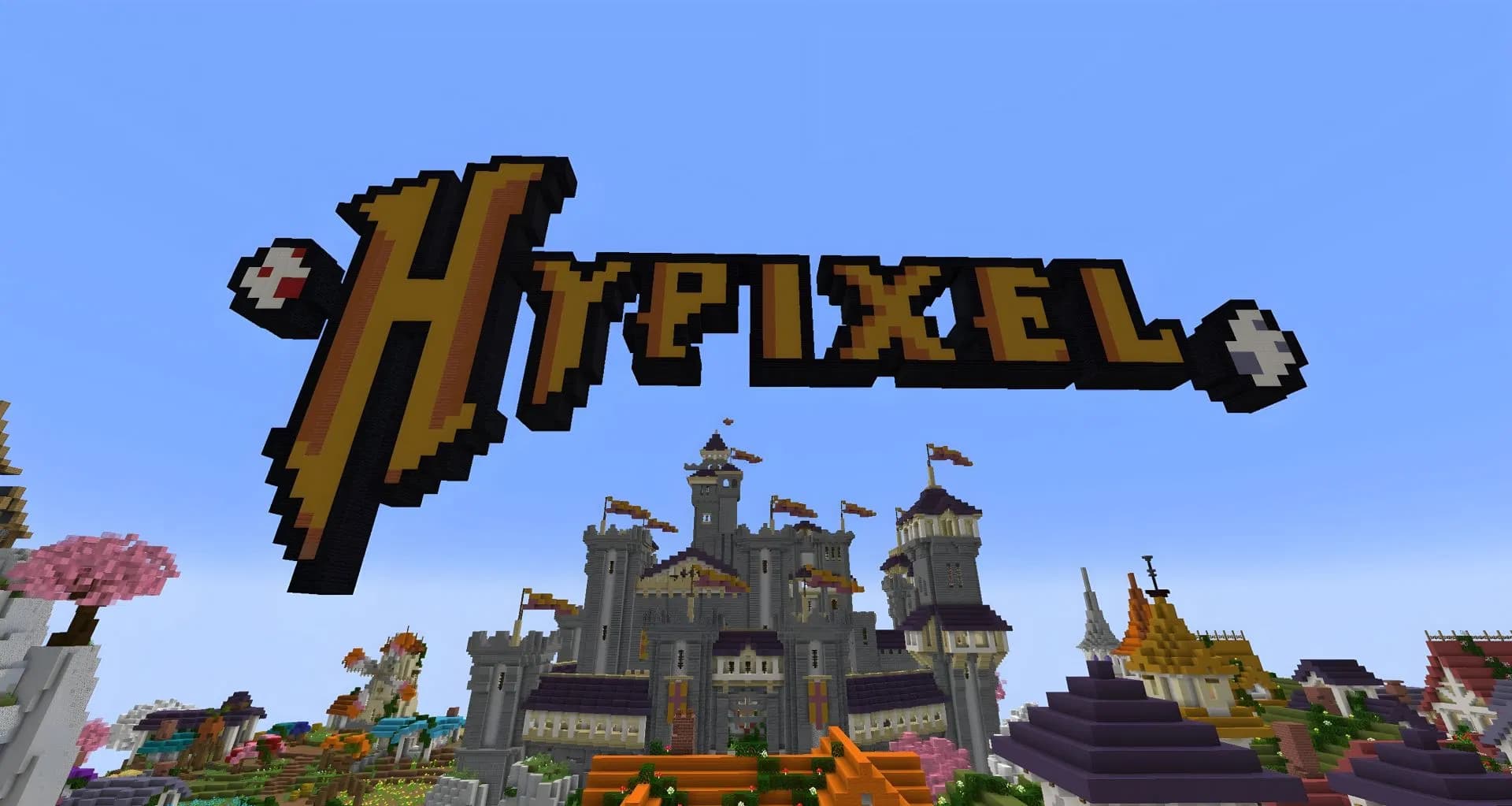
Over the following years, Hypixel evolved into a gaming phenomenon. By 2017, the server had earned a Guinness World Record as the most popular independent server for a video game. The server became a testing ground for innovative gameplay modes, custom mechanics, and creative features that pushed the boundaries of what Minecraft could offer through community-driven development.
By 2015, with Hypixel thriving as a successful multiplayer destination, Collins-Laflamme and the team began conceptualizing something more ambitious. They envisioned creating their own standalone game that would combine the creative freedom and modular building philosophy of Minecraft with more structured gameplay elements found in traditional role-playing games. This vision became Hytale, officially announced to the world in December 2018.
The announcement was explosive. Hytale's initial trailer accumulated over 61 million views and generated massive community enthusiasm. The game promised something genuinely different: a voxel-based sandbox that didn't simply copy Minecraft's formula but instead built upon it with new mechanics. Adventure mode would provide structured exploration with NPCs, dungeons, and progression systems. Creative tools would empower players to build with unprecedented flexibility. The modding ecosystem would be first-class, not an afterthought.
The Riot Games Acquisition and Years of Development Struggles
The nascent Hytale project attracted attention from major players in the gaming industry. Riot Games, best known for League of Legends, had provided early angel investment in Hypixel Studios. In April 2020, the company completed its full acquisition of the studio. For many observers at the time, this represented a validation of Hytale's concept. A major publisher was committing resources to see the project through to completion.
The acquisition came with promises. The game would reach players in 2021, the team announced at the time. Hypixel Studios would operate independently while leveraging Riot's vast resources and expertise. However, this period of development would prove to be far more complicated than anticipated.
Several factors contributed to the slowdown. First, the development team began to experience scope creep, a common challenge in game development where ambitions expand faster than resources can accommodate. As the genre evolved around them and player expectations grew, the bar for what Hytale needed to achieve kept rising. The team had originally developed Hytale in a proprietary Java engine, the same foundation that powered Hypixel's Minecraft server. But to support Riot's ambition of cross-platform play, the developers made the difficult decision to migrate the entire project to a new proprietary C++ engine.
This engine reboot represented an enormous undertaking. Essentially, the team had to rebuild Hytale from the ground up with entirely new technology. While engine migrations can eventually enable faster development once completed, the transition period is invariably slow and costly. The migration stretched across multiple years, with the team repeatedly postponing what should have been a 2021 release.
Frustration mounted both within the studio and among the community. The developers provided occasional updates, but these became increasingly vague as deadlines slipped past. In 2023, nearly five years after the original announcement and three years after the Riot acquisition, the team had still not released even the promised beta version. The situation had become untenable, with the gap between player expectations and the game's actual state of completion growing wider.
The Cancellation: Mission Creep and Impossible Decisions
On June 23, 2025, the gaming community received difficult news. Hypixel Studios announced that Riot Games was canceling Hytale development and shutting down the studio. Aaron "Noxy" Donaghey, Hypixel co-founder and the studio's CEO under Riot, published an announcement acknowledging that despite years of pushing forward, adapting, and exploring every possible path, the team simply could not deliver on Hytale's ambitions.
Noxy's statement revealed the core problem: unbridled mission creep combined with technical ambitions that outpaced the team's capacity to execute. Every promising solution encountered its own complications. The team considered reducing scope, adjusting timelines, and finding creative compromises. None of these options felt viable without fundamentally compromising what made Hytale special in the first place.
The cancellation was particularly painful because the project had consumed nearly a decade of development effort. Hypixel Studios at its peak employed over 100 developers working toward a shared vision. Riot had invested significantly. The community had waited patiently, believing that updates would eventually arrive. Instead, the game was terminated, and the studio began winding down.
However, Riot's approach to the closure provided some dignity to those affected. The company offered generous severance packages and resources to laid-off employees, acknowledging the years of commitment these developers had invested. Critically, Riot also clarified that the Hypixel Minecraft server, operated independently, would continue functioning normally, preserving that legacy.
The Resurrection: Simon's $25 Million Gamble
What happened next stunned the gaming world. Within days of the cancellation announcement, Simon Collins-Laflamme, Hypixel's original founder who had stepped away from daily operations when Riot acquired the studio, made an extraordinary declaration. He stated publicly that he believed in Hytale so deeply that he would personally invest $25 million of his own capital to resurrect the project.
Collins-Laflamme's confidence was backed by concrete reasoning. He had worked on the original build of Hytale before Riot's acquisition and the subsequent engine migration. He understood where the project had derailed: the ambition to simultaneously rebuild the engine for cross-platform support while expanding the game's scope had created a development trap. The solution, he reasoned, was to return to the original Java-based engine from four years earlier.
This legacy engine, while older, was significantly further along in development. A version from 2021 existed that was substantially more complete than anything the newer C++ engine had produced. By reverting to this older build, eliminating the cross-platform requirement, and focusing exclusively on PC, the team could dramatically reduce complexity and actually ship a playable game.
In November 2025, the extraordinary happened: Collins-Laflamme successfully reacquired Hytale from Riot Games. The deal was completed, and the studio was independent once again. Collins-Laflamme and co-founder Philippe Touchette began the process of rebuilding the team. Within weeks, they had brought back more than 40 former developers, including those who understood the legacy engine and the original vision.
The resurrection announcement included a bold target: early access on January 13, 2026. Pre-orders were announced to begin on December 13, 2025. Collins-Laflamme was transparent about the game's state. The early access version would be rough around the edges, with unfinished features and bugs. But players would finally have something to play, something to collaborate on, and something to help shape going forward.
Understanding Hytale: More Than a Minecraft Competitor
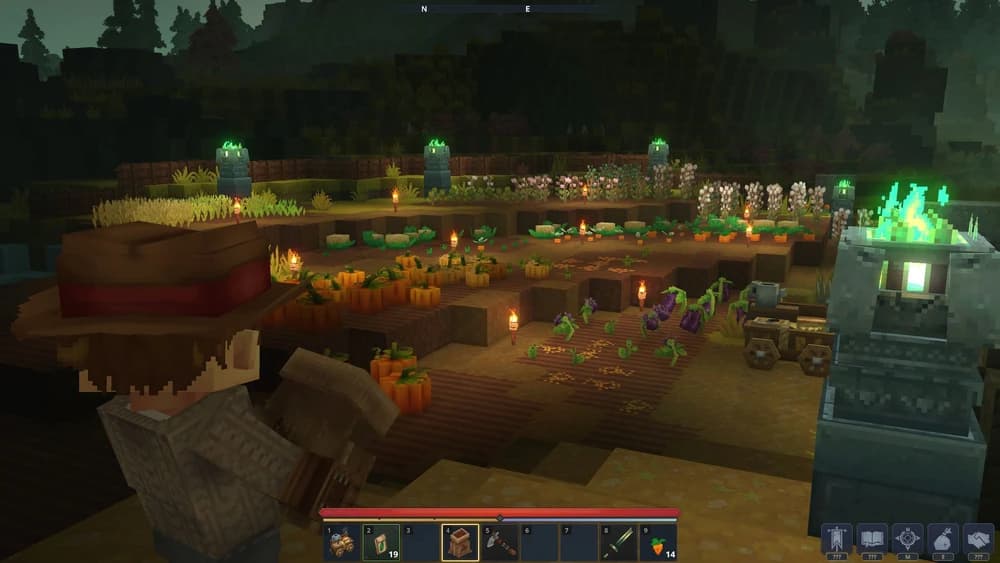
At its core, Hytale represents a distinct creative direction rather than a direct competitor to Minecraft. The game shares the voxel-based building foundation that makes Minecraft accessible and intuitive. However, Hytale layers significantly more gameplay depth on top of that foundation. The game is structured around multiple distinct game modes, each offering different appeals to different types of players.
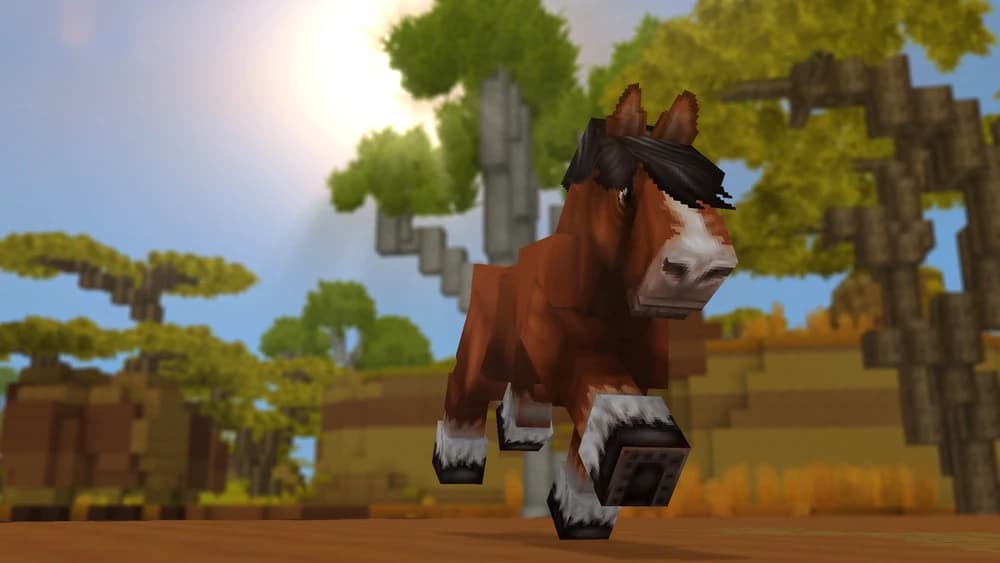
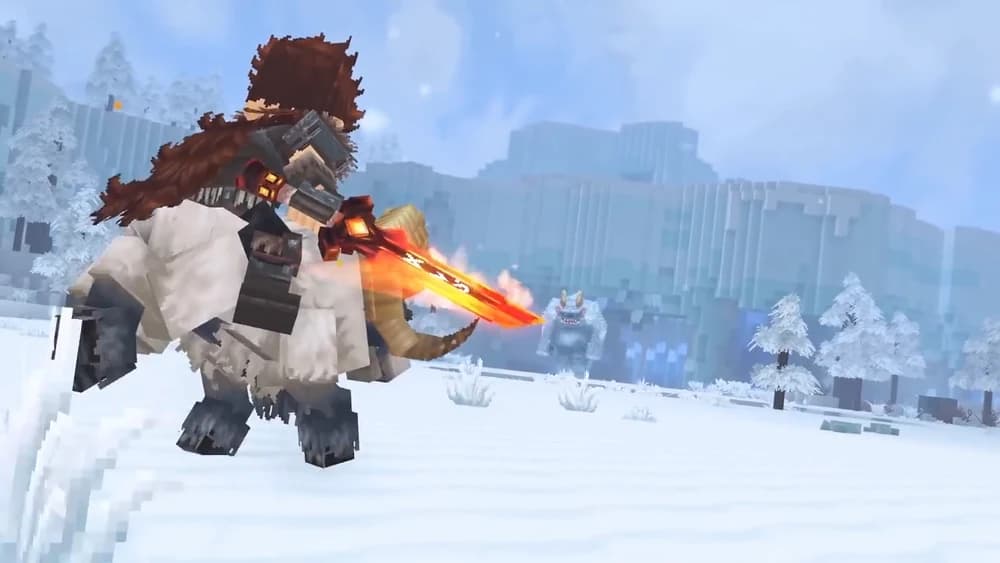
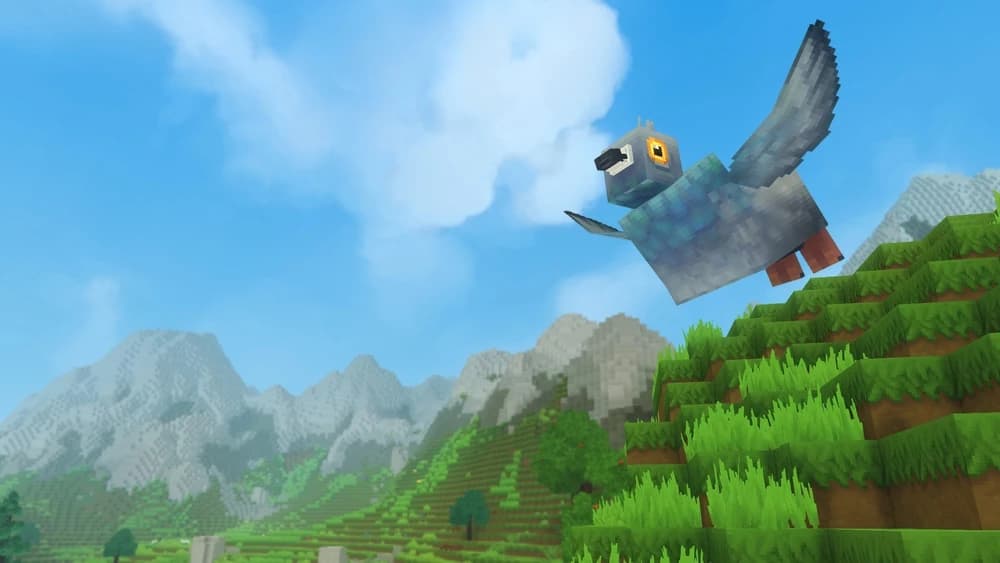
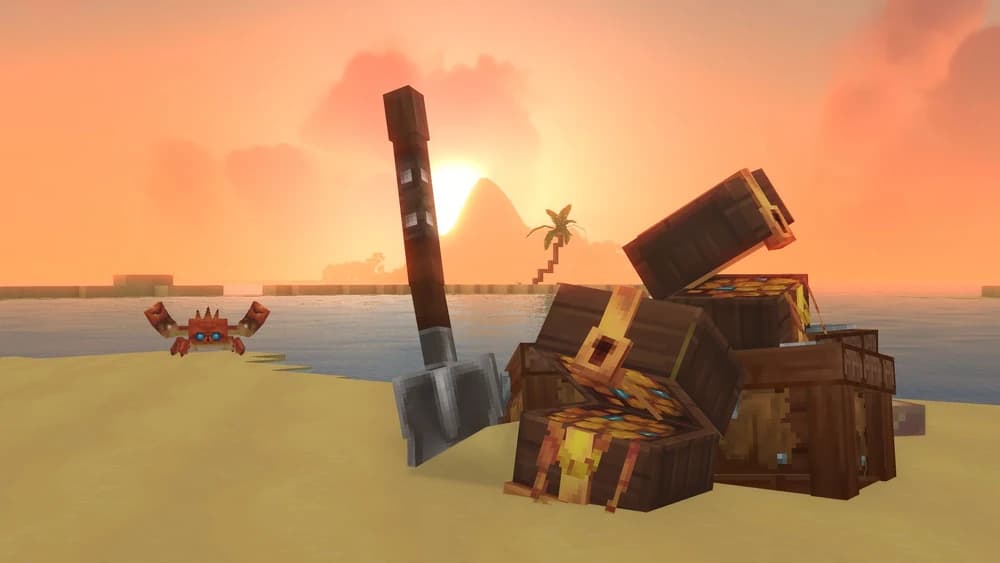
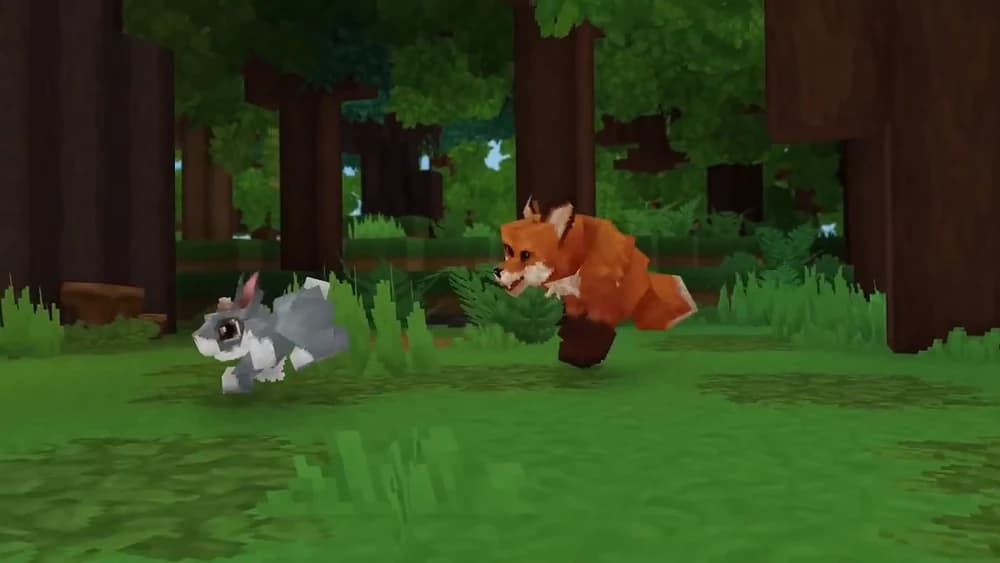
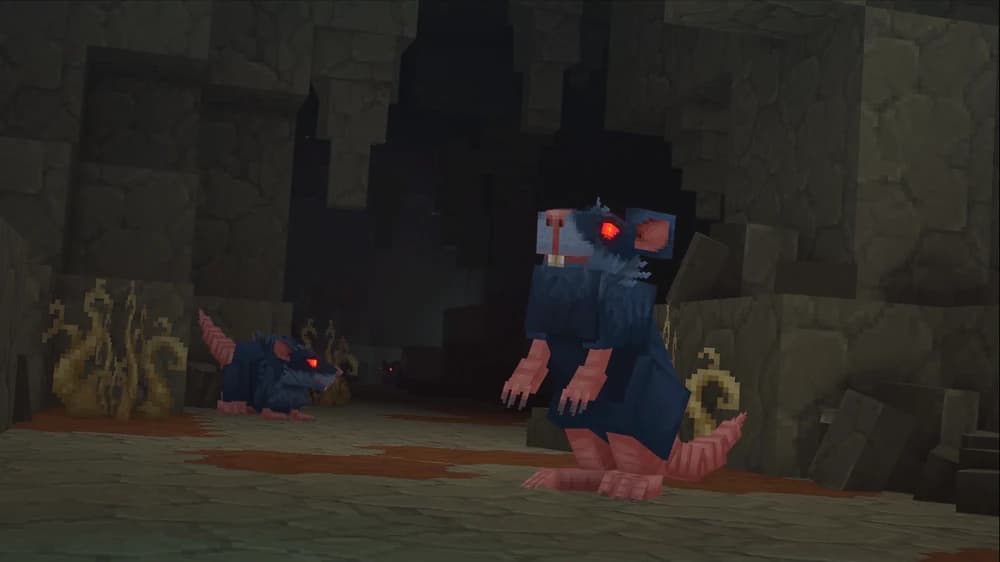
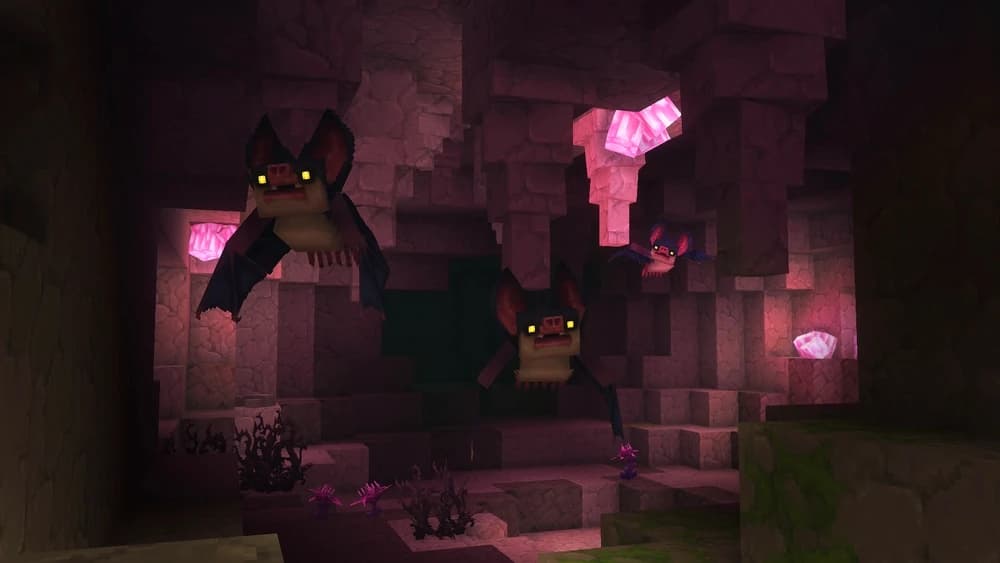
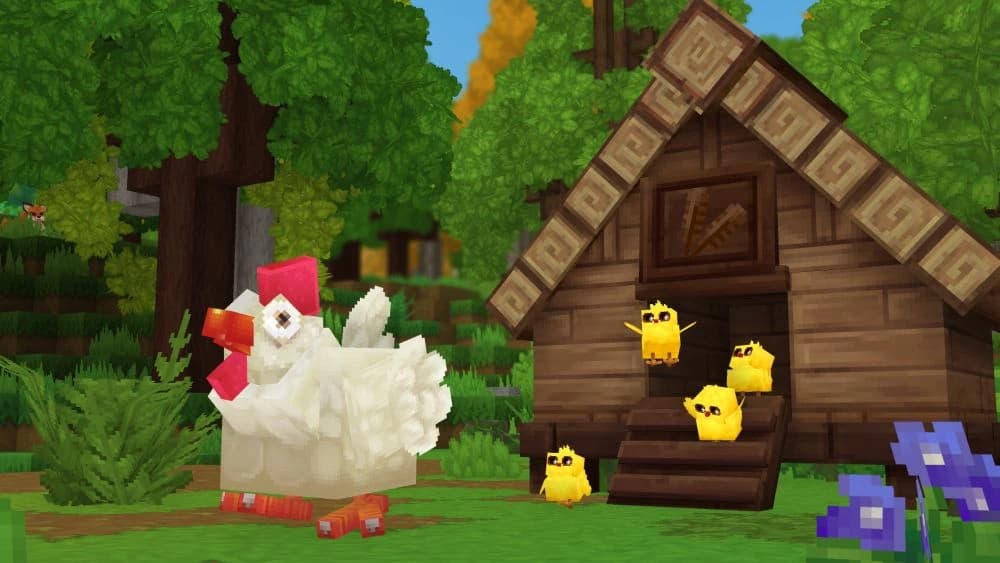
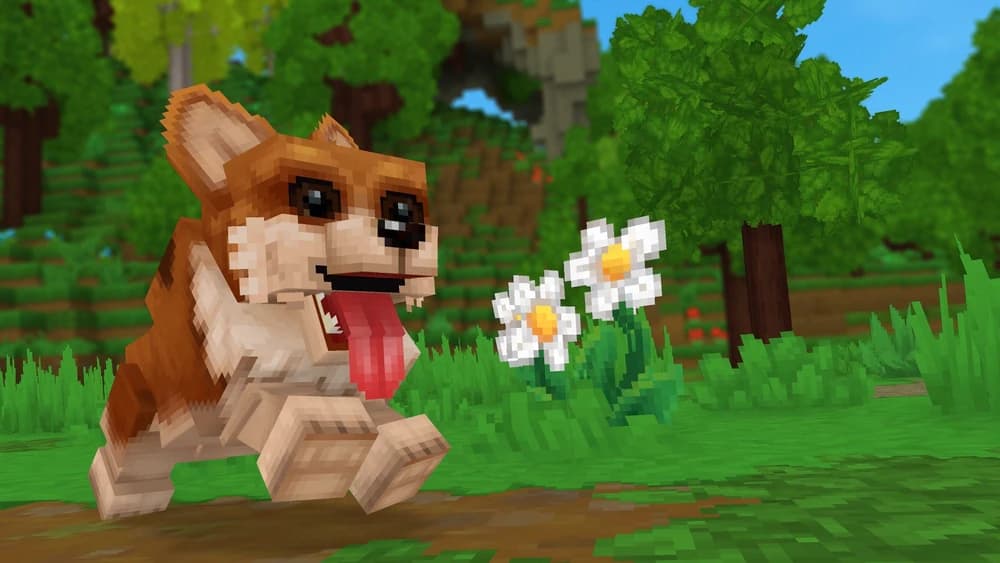
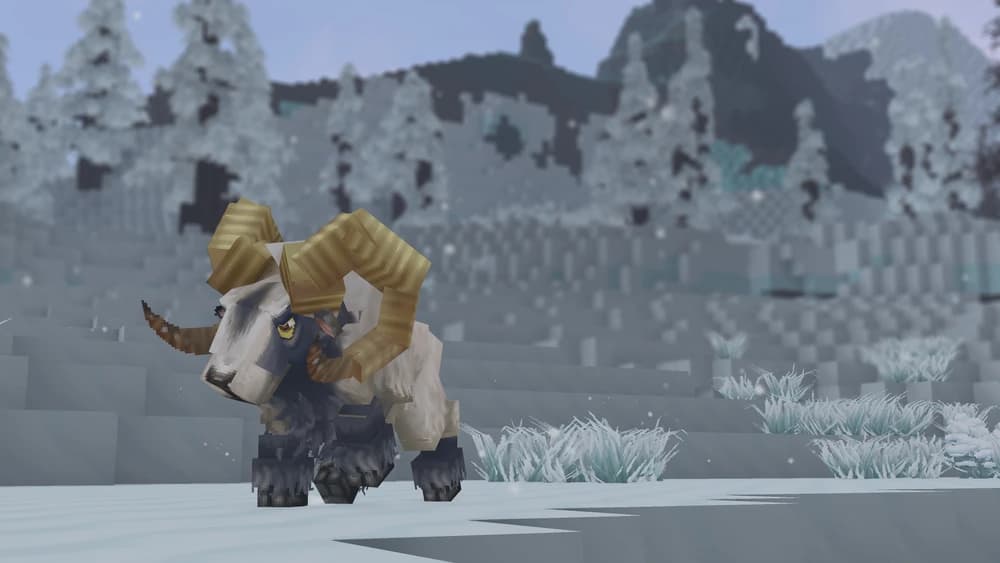
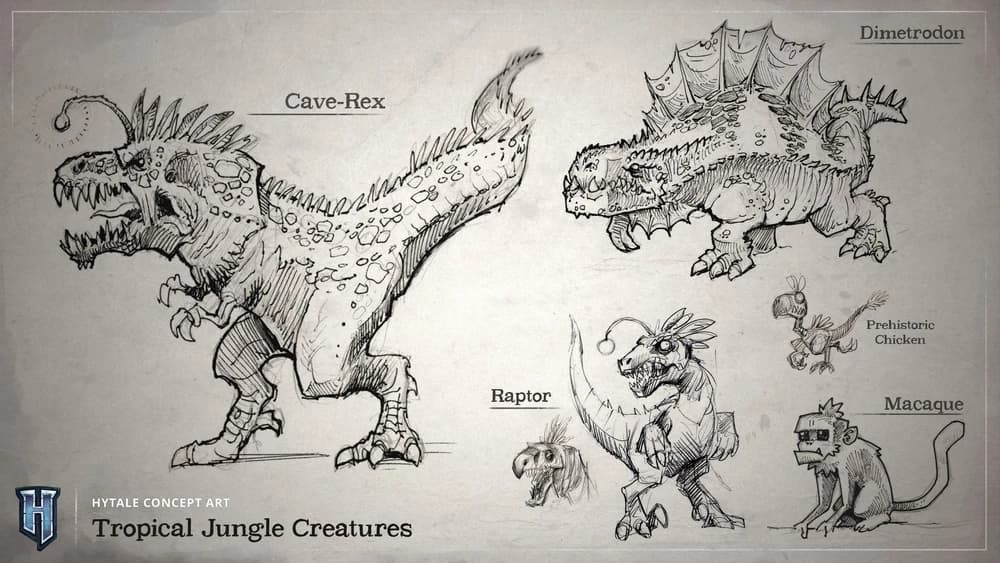
Adventure mode represents Hytale's primary differentiator from Minecraft. Rather than purely random exploration, Adventure mode features handcrafted story elements, structured progression through different zones, and traditional RPG mechanics. Players will begin in the temperate Emerald Grove and progressively unlock access to more challenging zones including arctic tundras, volcanic wastelands, and an entire underground realm known as the Void Below.
The combat system emphasizes tactical depth rather than simplistic button-mashing. Different weapon types, including swords, bows, spells, and staffs, offer distinct playstyles. Enemies exhibit intelligent behaviors requiring adapted strategies. Boss encounters feature multi-phase battles with complex mechanics similar to traditional action RPGs. Weapons and armor operate on traditional rarity tiers, from common to legendary, with rare items often providing unique special effects.
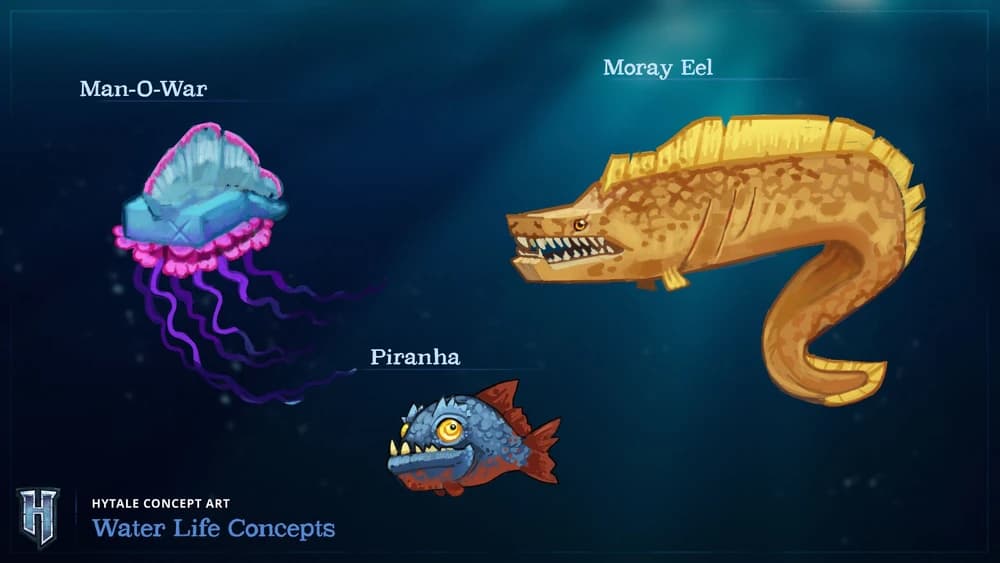
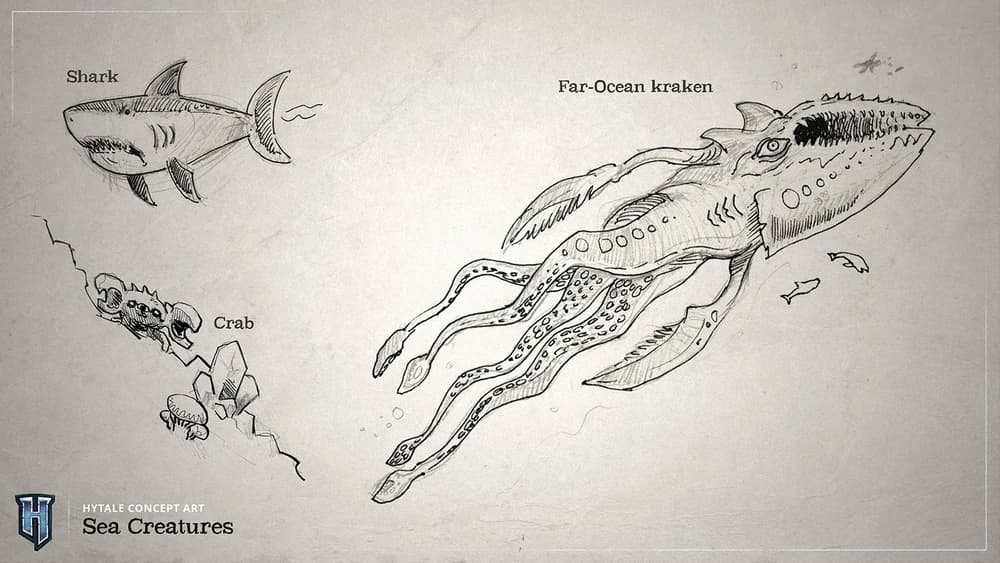
Creative mode caters to players who prefer building without survival pressure. Unlike Minecraft's creative mode, Hytale's creation environment includes professional-grade tools. The Model Maker is perhaps the most distinctive feature, an in-game 3D modeling tool that allows creators to build custom geometry rather than being limited to cubic blocks. Advanced terrain sculpting, structural selection and manipulation, and customizable brushes for rapid environmental creation enable sophisticated world-building previously only possible through extensive modding in Minecraft.
The modding philosophy differs substantially from Minecraft's approach. Hytale implements server-side modding as the default architecture, meaning players automatically receive all mods and modifications when joining a server. No manual installation, compatibility management, or external file handling is required. Additionally, Hytale will feature a visual scripting system inspired by Unreal Engine's Blueprint system, enabling creators to build complex game logic through node-based interfaces without programming knowledge.
The game launches with approximately 20 to 30 hours of adventure content in the initial early access build, with additional zones and content planned for regular post-launch updates.
The Minecraft Comparison: Coexistence Rather Than Conquest
The gaming community has frequently cast Hytale as a "Minecraft killer," a successor that will finally dethrone gaming's reigning sandbox monarch. This framing fundamentally misunderstands both games and the diversity of player preferences that gaming supports.
Simon Collins-Laflamme himself has explicitly rejected this narrative. He has emphasized that Hytale was not created to compete with Minecraft or to position itself as Minecraft 2.0. Rather, Hytale exists because Collins-Laflamme and his team felt limited by what Minecraft offered, particularly regarding modding capabilities and server functionality. Hytale represents an alternative pathway, not a replacement.
Historical precedent supports this perspective. Terraria arrived nearly a decade after Minecraft and shared the same top-down 2D sandbox premise. While many players argue that Terraria offers superior mechanics and content depth, it never eclipsed Minecraft in terms of mainstream popularity. Both games thrived simultaneously, each attracting communities of passionate players who appreciated distinct design philosophies.
The same dynamic will likely characterize the Minecraft-Hytale relationship. Minecraft benefits from extraordinary cultural penetration, established modding ecosystems with 15+ years of development, and an installed player base of hundreds of millions. A new game, no matter how well-designed, cannot instantly displace that legacy.
However, this doesn't diminish Hytale's potential impact. Competition encourages innovation, pushing established franchises to improve and evolve. Some players will prefer Hytale's more structured adventure experience, superior modding accessibility, and fresh creative direction. Others will remain devoted to Minecraft's proven formula and bottomless content libraries. Many players will enjoy both games, switching between them based on mood and preference.
What This Means for the Gaming Industry
Hytale's turbulent journey offers critical lessons for the broader video game development landscape. The project illustrates how even well-funded, creatively sound, and technically competent teams can struggle when scope expands beyond manageable bounds. It demonstrates the human cost of canceled projects, the frustration of communities invested in unreleased titles, and the challenges of maintaining realistic timelines in an evolving medium.
The game's resurrection by its original creator provides a counternarrative. Sometimes, passion and focus can accomplish what corporate resources and expanded ambitions could not. By ruthlessly reducing scope, returning to proven technology, and committing personal capital, Collins-Laflamme created conditions for actual delivery rather than perpetual delay.
The January 13, 2026 early access launch will provide the first genuine test of Hytale's potential. Player responses to the actual game mechanics, the modding toolset, and the overall game feel will ultimately determine whether this project justifies its years of development and the extensive community patience it demanded.
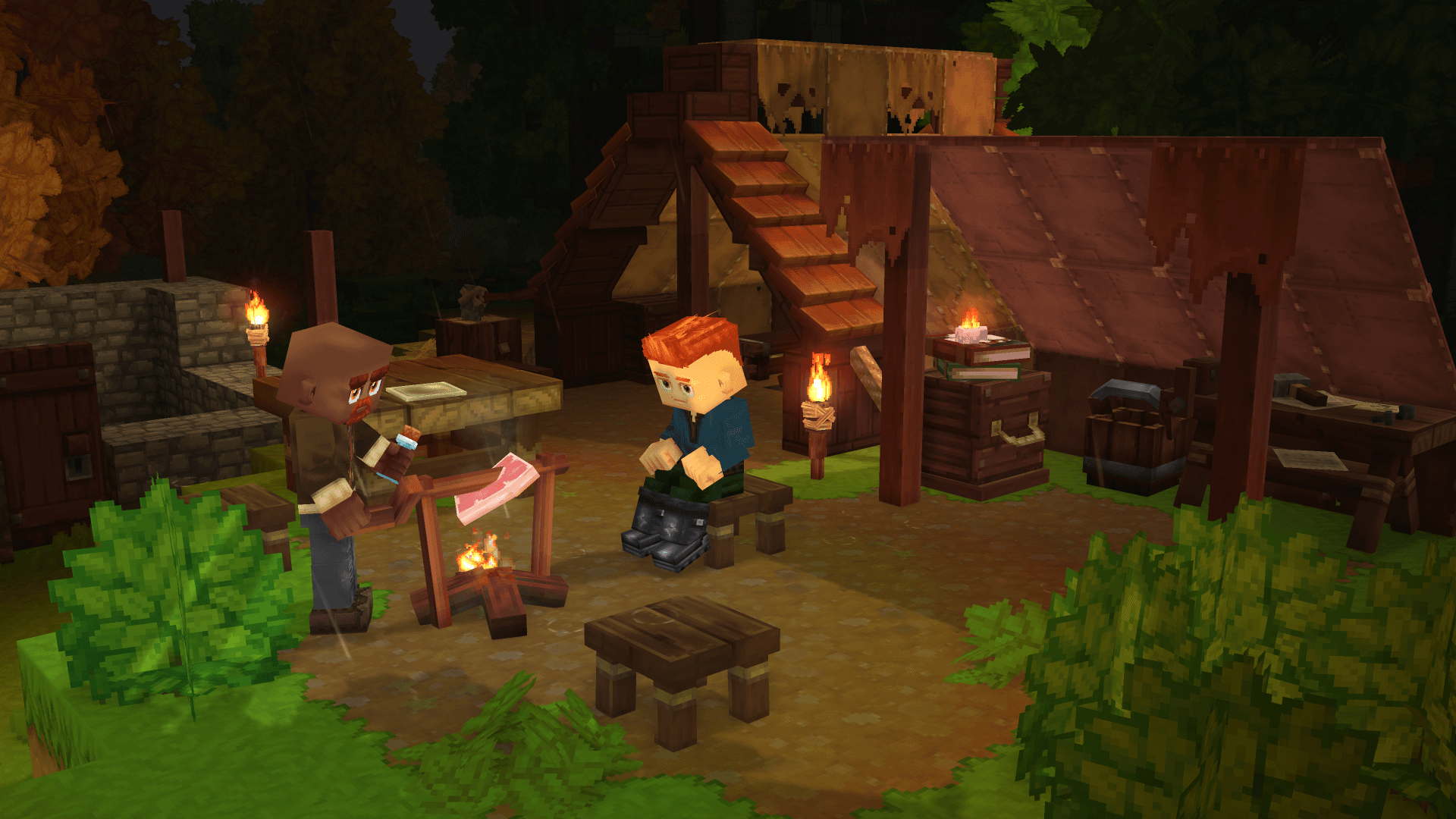
Ready to explore Orbis from day one? Secure your access to Hytale’s early access launch now by pre ordering directly from the official store at https://store.hytale.com and reserve your in game username before servers open on January 13, 2026.
Conclusion
Hytale's journey from promising 2018 announcement to June 2025 cancellation to November 2025 resurrection represents one of gaming's most dramatic reversal of fortunes. What might have become just another tale of industry mismanagement instead became a story of belief, perseverance, and the power of original vision. When early access launches on January 13, 2026, players will finally experience what so many have waited years to see.
The game will not be perfect on day one. It will not instantly supplant Minecraft's dominance. It will not fulfill every expectation built up over seven years of development. But it will exist. It will be playable. It will offer something genuinely different in the sandbox gaming landscape. In an industry marked by canceled projects and abandoned dreams, Hytale's resurrection stands as a remarkable achievement, and its early access launch represents a moment worth anticipating.
FAQs
How much does Hytale's early access cost?
The basic edition of Hytale's early access is priced at $20 USD. A deluxe edition with cosmetics and additional bonuses is also available at a higher price point. Early access purchasers will maintain full access to the game as it progresses through development and eventually reaches full launch. Simon Collins-Laflamme has been transparent that early access is genuinely rough around the edges, encouraging potential buyers to only purchase if they are comfortable with bugs and incomplete features.
Will Hytale eventually be free-to-play?
No official announcement has been made regarding a free-to-play model. The current pricing strategy focuses on early access purchases for players wanting to participate in development. However, the long-term monetization model for the full launch version has not been detailed by the development team. Players considering early access should budget accordingly rather than expecting eventual free access.
Is Hytale really a Minecraft competitor?
Not in the way the gaming industry frequently frames it. Hytale shares the voxel-based building foundation with Minecraft but emphasizes structured adventure gameplay, RPG mechanics, and accessible modding tools. Simon Collins-Laflamme has explicitly stated that Hytale was created to offer an alternative path forward for creative players frustrated by Minecraft's limitations, not to replace it. Both games can coexist and thrive simultaneously, similar to how Terraria and Minecraft occupy different niches within the sandbox gaming space.
Why did Riot Games cancel Hytale after investing so much?
The cancellation resulted from unbridled scope expansion combined with an ambitious engine migration from Java to C++ for cross-platform support. Over seven years, the project's technical requirements grew faster than the team could deliver. Rather than shipping an incomplete product or drastically cutting features, Riot made the difficult decision to shut down the project. This decision was reversed when Simon Collins-Laflamme committed personal resources to reacquire the game and reset expectations by returning to the original Java engine and focusing exclusively on PC.

